
What a DFM review actually catches
Almost every respin we see was avoidable, and almost all of them were visible in the design file. These are the six classes of problem a manufacturability review finds before the first board is built.
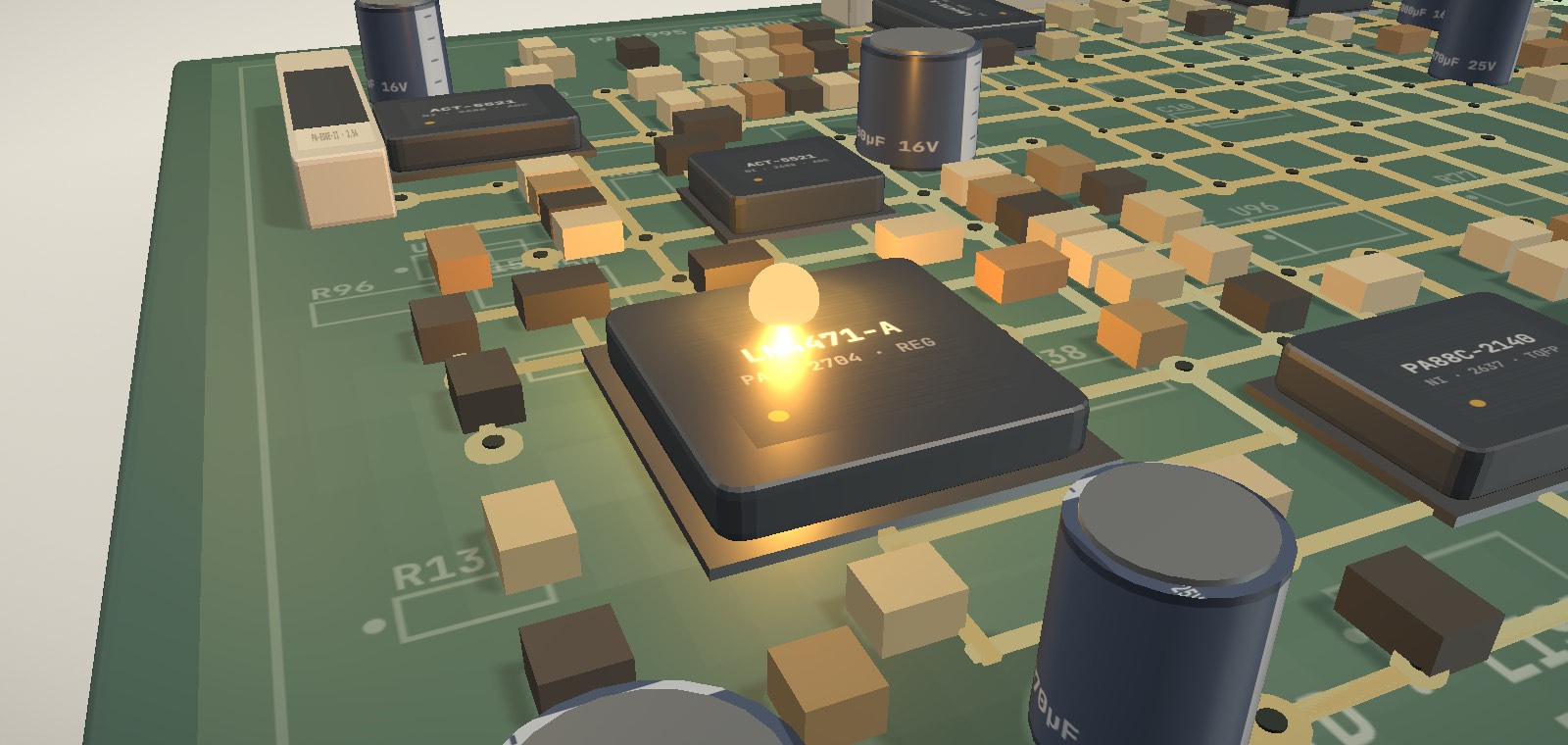
Manufacturability and fine-pitch spacing
Pad geometry, courtyard clearance and spacing that are legal in the layout tool but marginal on a real stencil at real tolerances. Fine-pitch and 0201 work has very little margin to give. A footprint that is 50 microns optimistic is not a problem in CAD and is a bridging risk at reflow.
Solderability, thermal relief and reflow risk
The classic one is a ground pour connected to a pad without thermal relief. One side of the component sinks heat into the plane, the other does not, the two ends wet at different times and the part tombstones. It is a one-line fix on the drawing and a yield problem forever if it ships.
Testability, ICT and functional coverage
Test access is decided at layout and discovered at test. If critical nets have no probe point, in-circuit coverage has holes that functional test then has to cover indirectly, or not at all. Adding test pads while the board is still a file costs nothing; adding them afterwards costs a revision.
Component obsolescence and lead-time risk
A design that is fine today can be unbuildable in eighteen months. We check the BOM against real availability across 1,000+ distributors, not just whether a part exists but whether it exists in the volume and the timeframe your programme needs, and what the second source looks like if it does not.
Moisture-sensitivity handling
MSL-rated devices need dry storage, controlled bake-out and floor-life tracking, or the moisture trapped in the package flashes to steam at reflow and delaminates it. This is a process obligation rather than a design fault, but it needs to be identified from the BOM before the build is planned, not discovered at the oven.
Hidden-joint and BGA X-ray plan
Which joints will be invisible once assembled, and how they are going to be verified. Answering that before the build means the inspection plan is designed in, rather than improvised around whatever the layout happens to allow.
All six are cheaper on the drawing than on the line, and far cheaper on the line than in the field. Our engineers will review your board for them free, and confidentially, with an NDA in place before you share any files.